The National Capital Region (NCR) is undergoing a monumental transformation, driven by an unprecedented wave of construction and strategic planning. Delhi NCR transport infrastructure expansion has become the central focus for urban planners and government bodies aiming to decongest the capital while boosting economic connectivity across Northern India. This region is rapidly evolving into the country’s most critical transport and logistics hub, serving as the nerve center for freight corridors and urban mobility alike.
This ambitious roadmap includes a complex web of new highways, rapid metro corridors, expressways, and dedicated freight paths. These developments are not just about laying asphalt; they represent a fundamental shift in how goods and people move across the states of Delhi, Haryana, Uttar Pradesh, and Rajasthan. By integrating multi-modal transport systems, the region is poised to reduce travel times significantly, lower logistics costs, and create a seamless flow of commerce that rivals international standards.
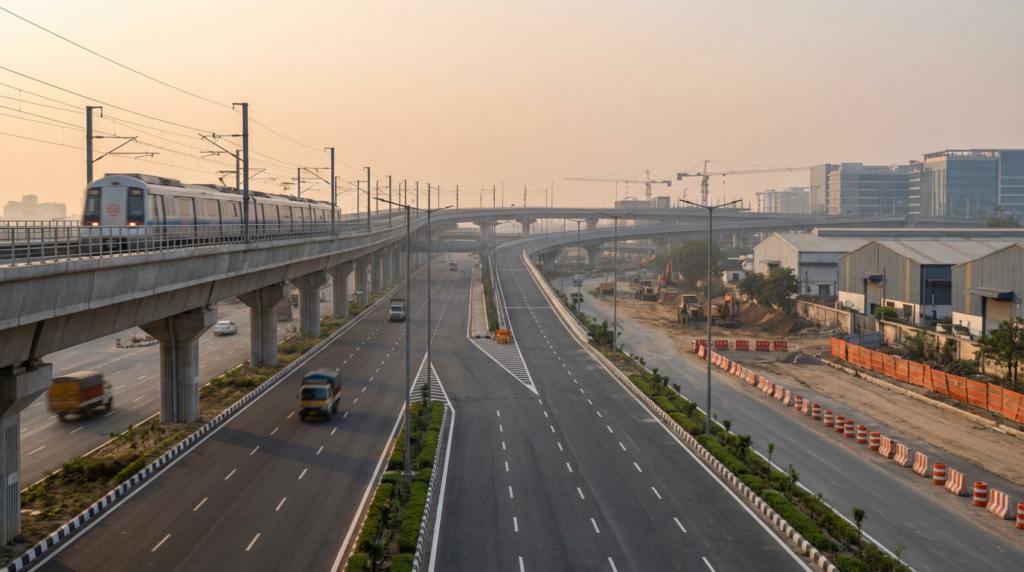
Delhi NCR Transport Infrastructure Projects
The landscape of the capital region is being redefined by several high-stakes Delhi NCR transport infrastructure projects. Current initiatives focus on resolving the chronic traffic bottlenecks that have historically plagued the area. One of the most significant endeavors is the Regional Rapid Transit System (RRTS), which aims to connect Delhi with disparate nodes like Meerut, Alwar, and Panipat through high-speed rail. These corridors are designed to shrink distances, allowing for a fluid labor market and easier access to industrial zones.
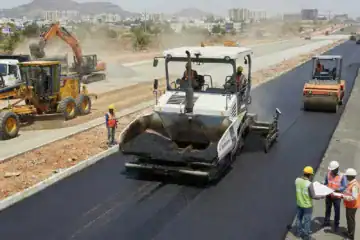
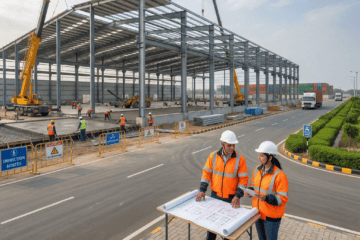
Beyond rail, road networks are seeing massive upgrades. The Peripheral Expressways (Eastern and Western) have already begun to divert non-destined truck traffic away from Delhi’s core, significantly reducing pollution and congestion. These projects require specialized highway and road construction expertise to ensure durability under heavy freight loads. Furthermore, the development of multi-modal logistics parks (MMLPs) is integrating these transport networks, creating centralized hubs where road, rail, and warehousing converge to streamline supply chains.
Upcoming Transport Infrastructure Expansion in Delhi NCR
Looking toward the horizon, the upcoming transport infrastructure expansion in Delhi NCR promises even greater connectivity. Planners are now focusing on “last-mile” connectivity and inter-city links that bypass traditional choke points. New greenfield expressways, such as the Delhi-Mumbai Expressway, are set to revolutionize freight movement, reducing transit time between India’s political and financial capitals by half. These future projects emphasize sustainable construction practices and smart traffic management systems.
This phase of expansion also targets the industrial hinterlands surrounding the capital. As new manufacturing hubs emerge, the demand for robust industrial infrastructure and warehousing grows in tandem. The government’s vision includes creating dedicated corridors that support heavy industries, ensuring that raw materials and finished goods can move without friction. This forward-looking approach ensures that the infrastructure built today will be capable of supporting the economic demands of the next three decades, solidifying the NCR’s position as a manufacturing powerhouse.
Delhi NCR Metro and Expressway Expansion Plans
The backbone of urban mobility in the region relies heavily on the Delhi NCR metro and expressway expansion plans. The Delhi Metro Rail Corporation (DMRC) continues to extend its reach deep into the satellite cities of Noida, Gurugram, Faridabad, and Ghaziabad. Phase IV of the metro expansion is particularly crucial, as it aims to connect previously unserved areas, bridging the gap between residential sectors and commercial districts. This network density is essential for reducing the reliance on private vehicles and lowering the region’s carbon footprint.
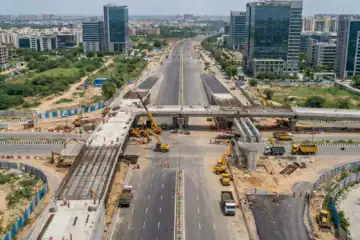
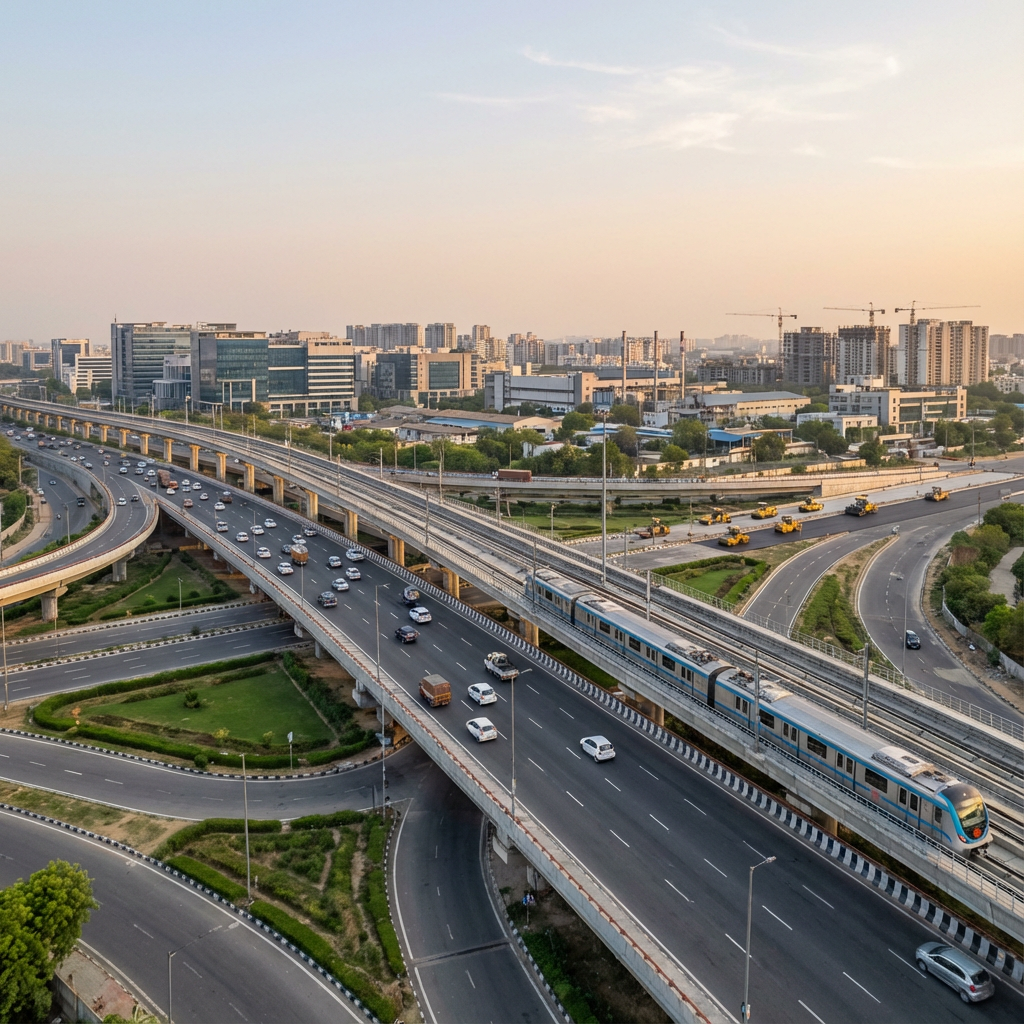
On the road front, the focus is on creating access-controlled expressways that facilitate high-speed travel. Projects like the Dwarka Expressway and the Urban Extension Road II (UER-II) are designed to function as vital arteries, redistributing traffic flow from the congested city center to the outskirts. These complex engineering feats require precise execution, often involving elevated corridors and flyovers. Companies specializing in EPC project execution play a vital role here, ensuring that these massive structures are delivered on time and meet rigorous safety standards. The synergy between metro lines and expressways creates a comprehensive grid that enhances overall accessibility.
Impact of Transport Infrastructure Development in Delhi NCR
The impact of transport infrastructure development in Delhi NCR extends far beyond shorter commute times. It is a direct catalyst for economic growth and real estate appreciation. Areas that were once considered remote are now becoming prime locations for residential townships and commercial hubs. For logistics companies, the improved road quality and reduced congestion translate to lower fuel costs and faster turnaround times, which ultimately benefits the end consumer.
Moreover, this infrastructure boom aligns with national goals set by bodies like the Ministry of Road Transport & Highways (MORTH), which emphasizes the need for world-class infrastructure to drive India’s GDP to $5 trillion. Enhanced connectivity attracts foreign direct investment (FDI) and encourages multinational corporations to set up headquarters in the region. By streamlining the movement of goods, the delhi ncr transport infrastructure expansion is effectively lowering the cost of doing business, making the region more competitive on a global scale. It also supports better urban planning, preventing the haphazard growth of cities by guiding development along planned corridors.
Conclusion
The ongoing Delhi NCR transport infrastructure expansion is reshaping the future of mobility, logistics, and industrial development in Northern India. From high-speed rail corridors to world-class expressways, these projects are laying the foundation for a more connected and efficient economic zone. As the region continues to grow, the need for reliable execution partners becomes paramount.
Unicorn Infra remains committed to contributing to this transformative journey, leveraging deep industry expertise to deliver infrastructure that stands the test of time. Whether it is road construction or industrial development, we understand the nuances of building for the future. For more information on how we can support your infrastructure needs, please contact us today.