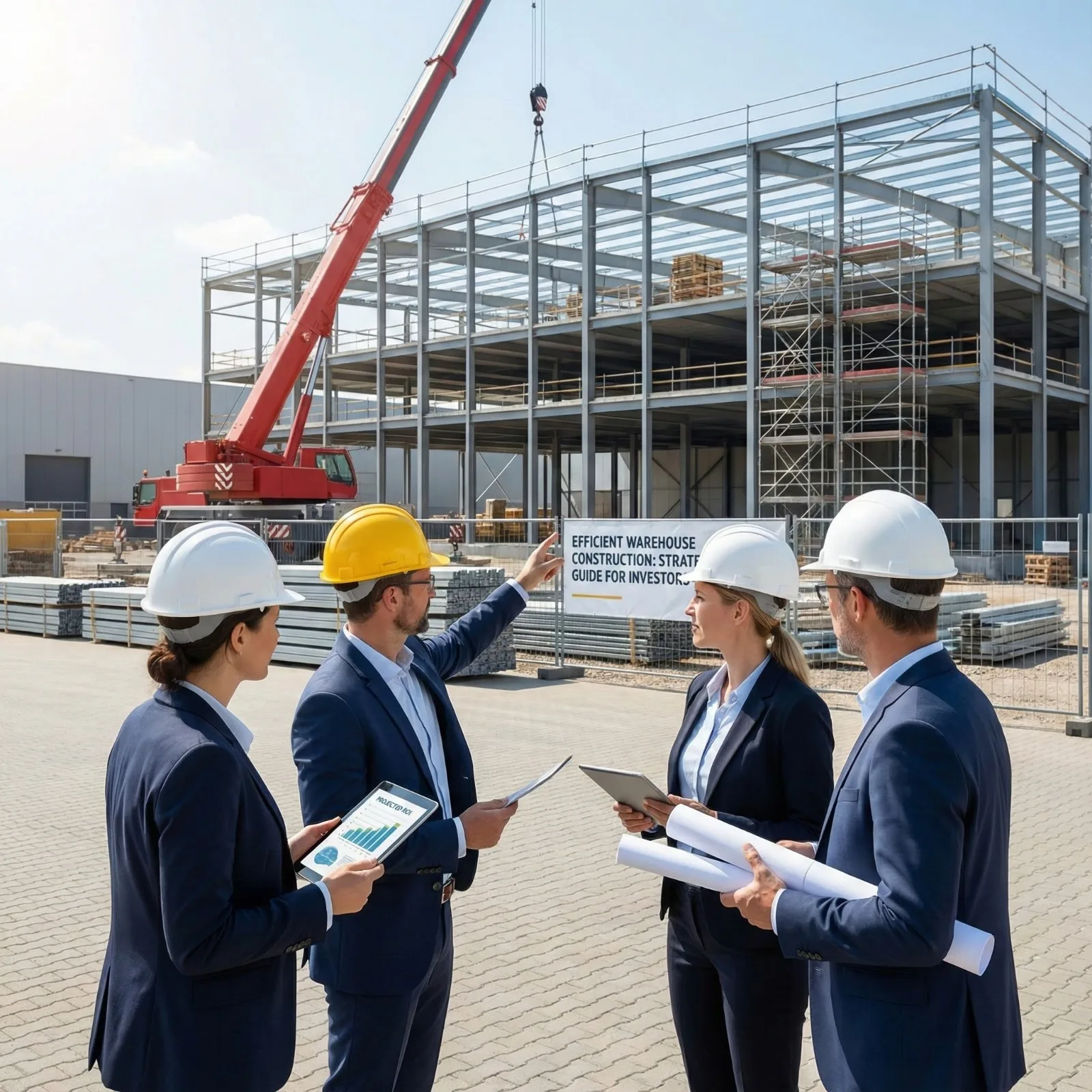
In the rapidly evolving landscape of global trade and manufacturing, the backbone of any robust supply chain is physical infrastructure. For industrial investors, logistics companies, and manufacturers, the quality of your storage facility directly impacts operational efficiency and profitability. This is why professional warehouse construction has become a critical focal point for decision-makers looking to secure a competitive edge.
Building a facility that meets modern logistics standards requires more than just erecting four walls; it demands precision engineering, strategic planning, and a deep understanding of supply chain dynamics. Whether you are expanding an existing footprint or establishing a greenfield project, understanding the nuances of construction is essential for long-term success.
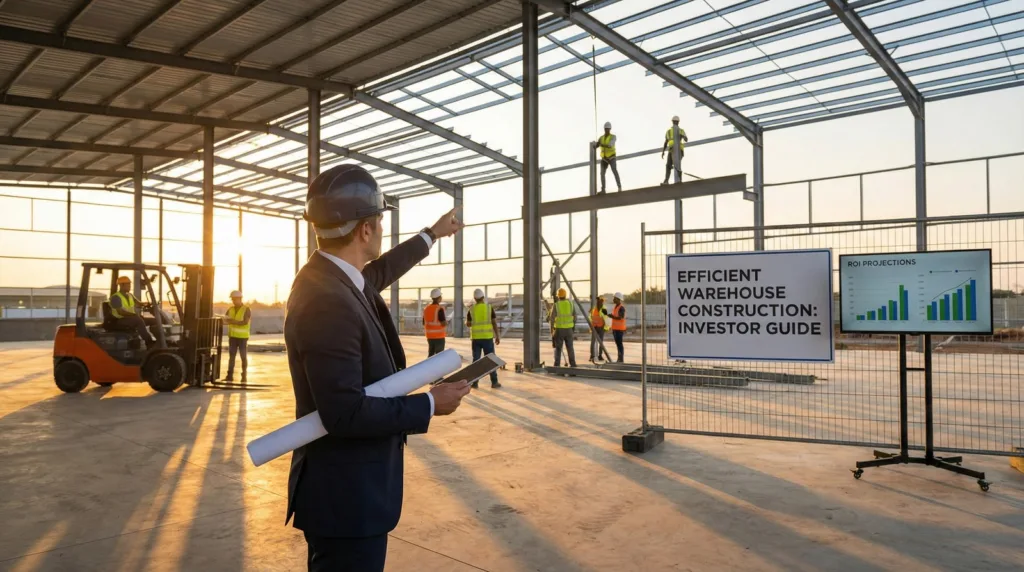
Mastering Industrial Warehouse Construction
When we discuss industrial warehouse construction, we are moving beyond simple storage sheds. Modern industry demands high-performance structures capable of housing heavy machinery, automated racking systems, and high-volume inventory flow. The structural integrity of an industrial warehouse is paramount.
Engineers must calculate specific load-bearing requirements for flooring to support forklifts and heavy goods without cracking or settling. Furthermore, creating large-scale infrastructure requires attention to vertical space. Optimizing clear height allows for vertical storage maximization, which is crucial for increasing the storage facility’s cubic capacity. From thermal insulation to specialized loading docks, every element of the industrial shed must be designed to enhance workflow and protect valuable assets from environmental factors.
Selecting the Right Warehouse Construction Company
The success or failure of an infrastructure project often hinges on the partner you choose to execute it. Selecting a competent warehouse construction company is a decision that requires due diligence. You need a team that demonstrates not only technical capability but also financial stability and a track record of safety.
At Unicorn Infra, we believe that experience is the best indicator of future performance. A top-tier construction partner understands local zoning laws, soil conditions, and the logistical challenges of material procurement. They act as a strategic advisor, helping you mitigate risks before ground is even broken. When evaluating potential partners, look for those who prioritize transparency and have a portfolio of successful infrastructure projects.
Learn more about our expertise at Unicorn Infra
The Scope of Warehouse Construction Services
Comprehensive warehouse construction services encompass a vast array of disciplines, all working in unison. A fragmented approach—hiring separate contractors for earthworks, civil construction, and electricals—often leads to miscommunication and costly delays. Professional execution involves a seamless workflow starting from site preparation and grading.
Core services should include foundation engineering, Pre-Engineered Building (PEB) structure erection, industrial flooring, and MEP (Mechanical, Electrical, and Plumbing) works. Advanced services also cover the installation of fire safety systems and stormwater drainage, which are critical for regulatory compliance. By engaging with a provider that offers holistic services, you ensure that every phase of the project, from the initial survey to the final coat of paint, adheres to strict quality standards.
Explore our Infrastructure services
The Advantages of Turnkey Warehouse Construction
For investors seeking speed and accountability, turnkey warehouse construction is often the most efficient delivery model. In a turnkey project, a single entity takes full responsibility for the design, procurement, and construction of the facility. This “concept-to-completion” approach eliminates the friction often found between architects and contractors.
The primary benefit of turnkey solutions is the centralization of responsibility. You have a single point of contact for the entire project lifecycle, which simplifies communication and accelerates decision-making. This method significantly reduces the administrative burden on your internal teams, allowing you to focus on your core business operations while experts deliver a ready-to-use facility. For large-scale logistics parks, this streamlined approach is often the difference between launching on time and missing critical market windows.
View our Industrial Construction capabilities
Planning, Design, and Compliance
Successful warehouse construction begins long before the concrete is poured. It starts with strategic planning and design compliance. In India, the logistics sector is governed by various standards to ensure safety and efficiency. Aligning your project with initiatives like the PM Gati Shakti National Master Plan ensures that your infrastructure is future-ready and compliant with national logistics goals.
Key planning considerations include:
- Site Accessibility: Proximity to highways and arterial roads for seamless transport.
- Regulatory Compliance: Adhering to fire safety codes, environmental regulations, and local building bylaws.
- Scalability: Designing the layout to allow for future expansion as your business grows.
Frequently Asked Questions
What factors influence the cost of warehouse construction?
Several variables affect the budget, including land cost, the size of the facility, material choices (steel vs. concrete), and the complexity of MEP systems. Soil conditions can also impact foundation costs.
How long does it take to build a modern warehouse?
Timeline depends on the scale and complexity. A standard industrial warehouse using Pre-Engineered Building (PEB) technology can typically be completed in 6 to 9 months, whereas traditional civil structures may take longer.
Why is industrial flooring critical in warehouse construction?
The floor is the most utilized part of a warehouse. It must be perfectly flat (superflat) for high-reach trucks to operate safely and durable enough to withstand constant abrasion and heavy static loads.
What is the difference between PEB and civil construction for warehouses?
PEB (Pre-Engineered Buildings) uses steel structures fabricated off-site and assembled on-site, offering speed and flexibility. Civil construction uses concrete and brick, which takes longer but may be preferred for specific architectural requirements.
Partner with Engineering Excellence
Investing in warehouse construction is a significant capital commitment. To ensure a return on that investment, you need a construction partner who values precision, reliability, and technical excellence.
Unicorn Infra stands ready to execute end-to-end industrial execution with the technical strength required for modern logistics. Whether you need a specialized industrial shed or a massive storage facility, our team is equipped to deliver.
Don’t leave your infrastructure to chance. Let’s build the future of your business together.